Basic Principle: Gel batteries belong to the lead-acid battery family and use silicon-based gel instead of the traditional liquid electrolyte found in standard lead-acid batteries. This thick, non-flowing gel reduces the risk of leakage and supports deeper discharge.
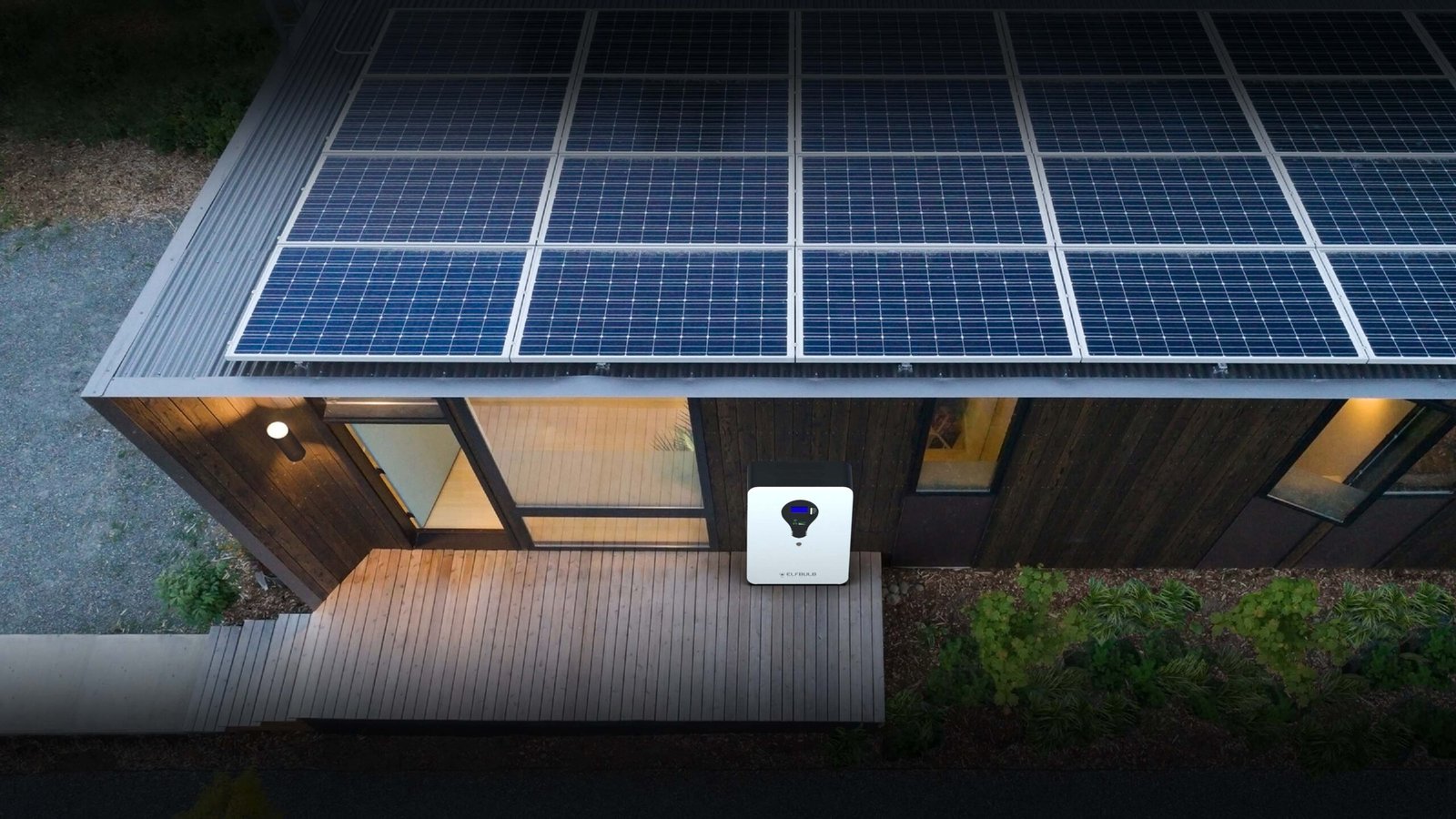
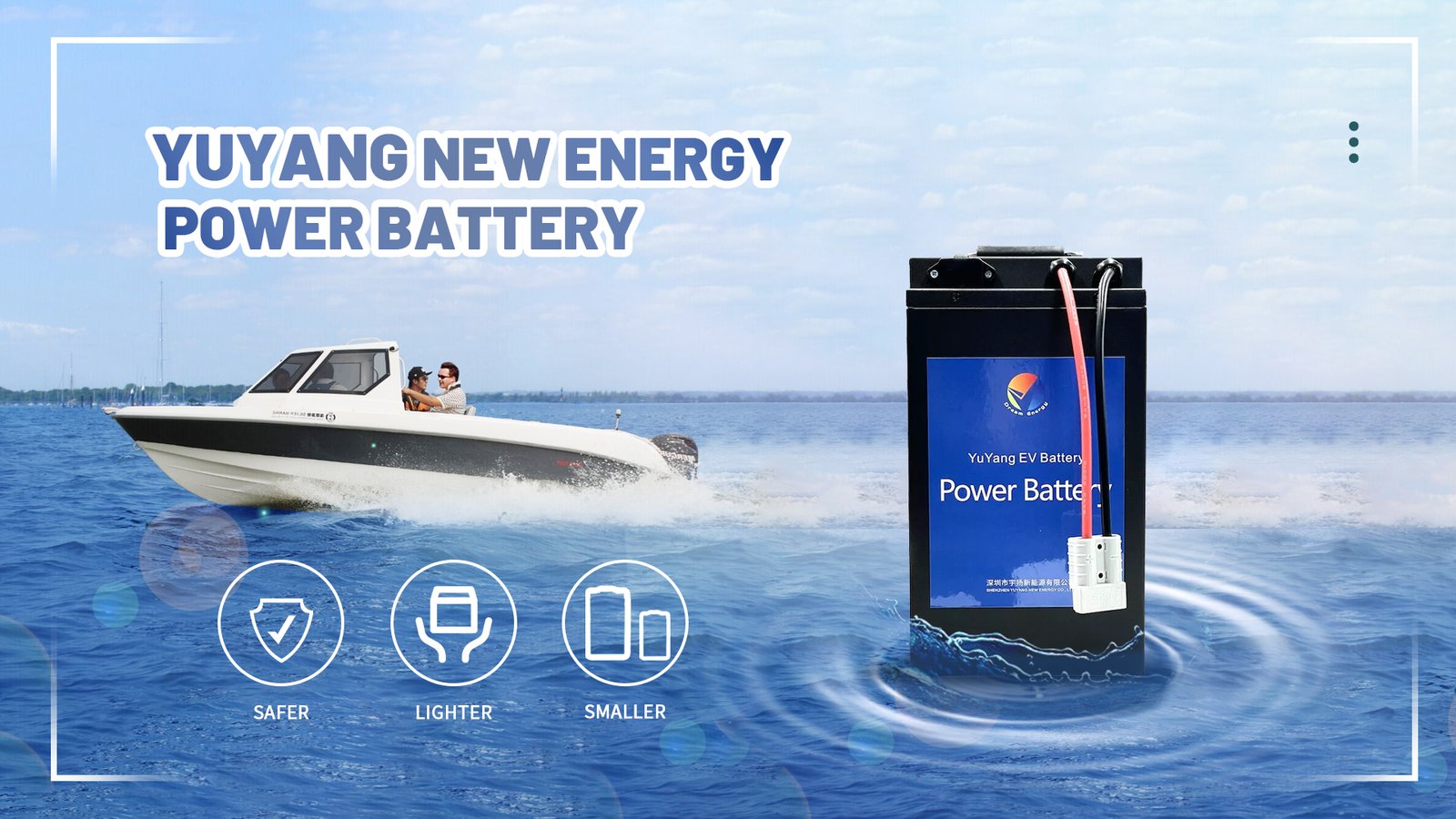
Applications: Due to their deep discharge potential, gel batteries are often preferred for off-grid solar installations and marine applications.
Energy Density: Gel batteries typically have an energy density between 30-50 Wh/kg, which is relatively low. This means that achieving the same storage capacity requires a heavier design, posing challenges for space-constrained applications.
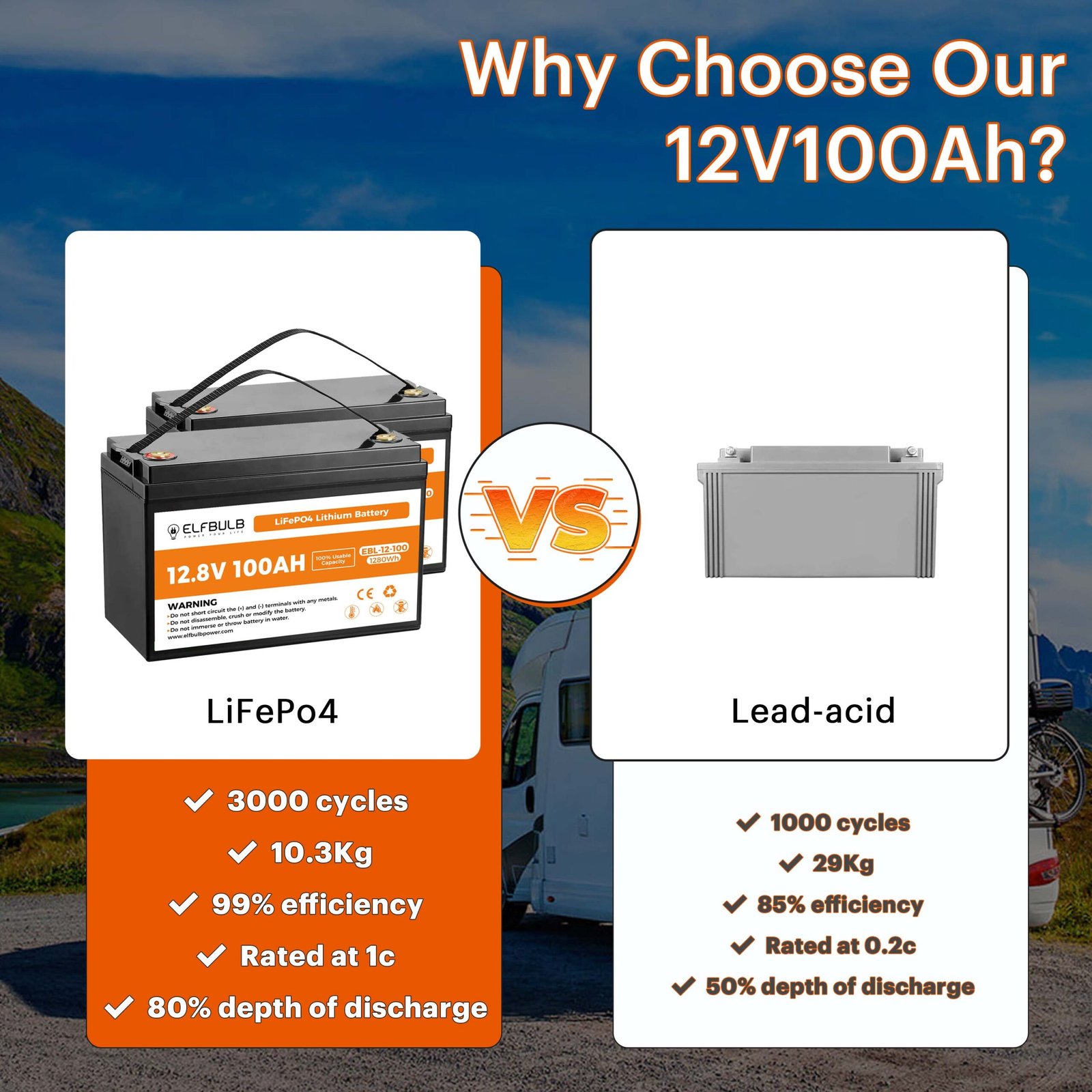
Efficiency: Gel batteries’ efficiency usually falls in the range of 80-85%, influenced by the inherent resistance of their thick gel electrolyte.
Lifespan: The cycle life of gel batteries typically ranges from 500 to 1,000 charge-discharge cycles.
Lithium Batteries
Basic Principle: Lithium-ion batteries consist of an anode, cathode, separator, and lithium-ion electrolyte. They operate by moving lithium ions between the anode and cathode during charge and discharge cycles.
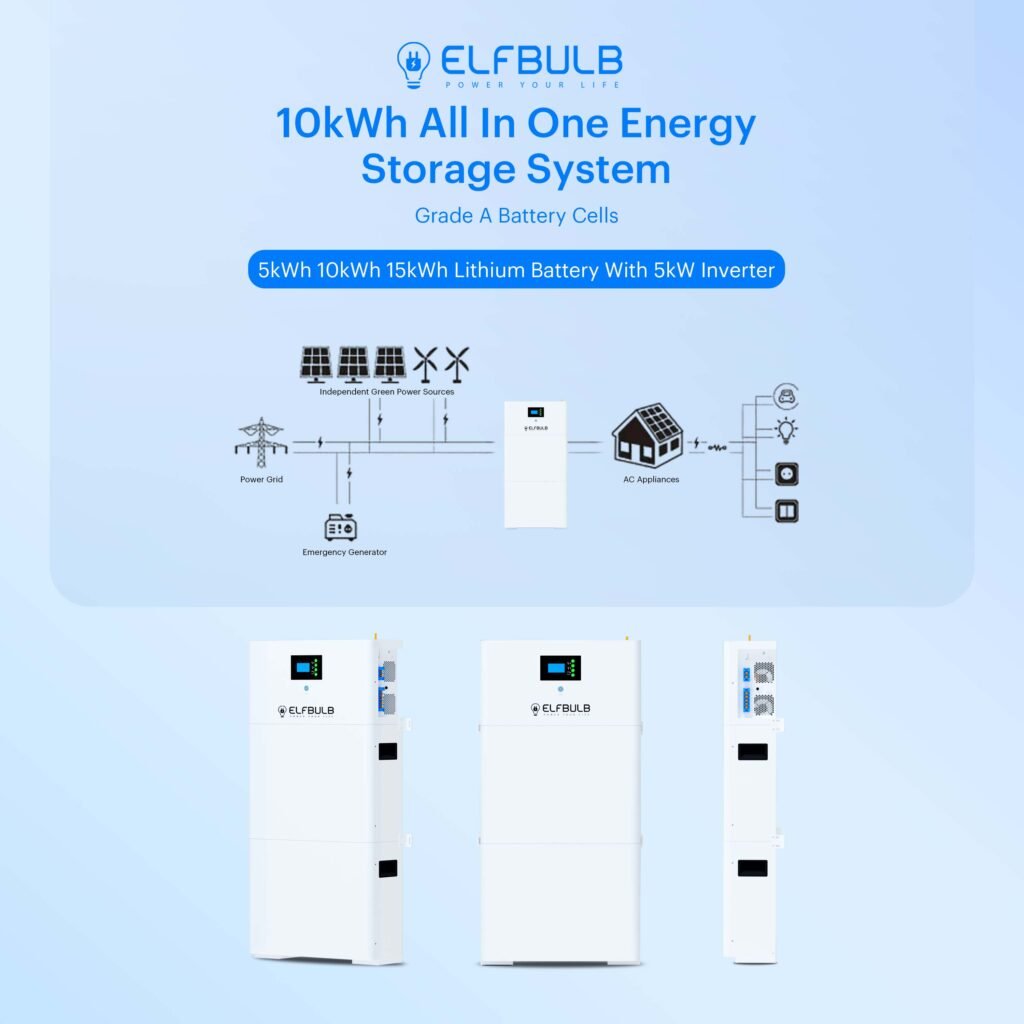
Applications: Lithium-ion batteries are favored in various applications, from smartphones to electric vehicles. Specifically, lithium iron phosphate (LiFePO₄) batteries are becoming the preferred choice for energy storage.
Energy Density: The average energy density of lithium-ion batteries is between 150-250 Wh/kg, providing power for slim designs in modern smartphones and enabling electric vehicles to travel long distances on a single charge.
Efficiency: Lithium-ion batteries typically exceed 90% efficiency, meaning that for every 100 units of energy injected into the battery, approximately 90 units are available for use.
Lifespan: Lithium-ion batteries have a cycle life ranging from 2,000 to 3,000 charge-discharge cycles, offering a longer overall lifespan.
Summary
If you prioritize energy density and seamless efficiency, lithium batteries are the undisputed leaders.
If you need durable, leak-resistant batteries, gel batteries are a reliable choice.
When choosing a battery, consider factors such as application scenarios, cost, environmental impact, charging speed, and installation requirements.
In our daily lives, lithium battery cells have become an omnipresent entity. From smartphones to electric cars, from watches to laptops, the applications of lithium batteries are diverse and extensive. But do you really understand how lithium battery cells work and why they are so important?
Working Principle of Lithium Battery Cells
The working principle of lithium battery cells is based on the movement of lithium ions. During the charging process, lithium ions move from the positive electrode to the negative electrode; during the discharge process, lithium ions move from the negative electrode to the positive electrode. This back-and-forth movement allows the battery to be charged and discharged repeatedly.
Advantages of Lithium Battery Cells
Lithium battery cells have many advantages that make them the ideal choice for many devices. Firstly, lithium battery cells have a high energy density, which means they can store a large amount of energy while being relatively small in size. Secondly, lithium battery cells have a low self-discharge rate, which allows them to maintain a longer lifespan when not in use. Lastly, lithium battery cells charge quickly, which is very important for devices that need to be charged frequently.
Challenges and Future of Lithium Battery Cells
Despite the many advantages of lithium battery cells, they also face some challenges. For example, the production cost of lithium battery cells is high, and there may be safety risks during use. However, scientists are constantly researching and developing new technologies to solve these problems and further improve the performance of lithium battery cells.
In conclusion, lithium battery cells are a powerful and potential energy solution. With the continuous advancement of technology, we can expect lithium battery cells to play a bigger role in the future.
Conclusion
Whether you are a tech enthusiast or someone interested in sustainable energy solutions, understanding and paying attention to lithium battery cells is very valuable. By understanding lithium battery cells, we can not only better understand many of the devices in our daily lives, but also have a deeper understanding of future energy solutions.
When we talk about batteries, we usually think of a portable power solution that can provide power to various devices. In this article, we will focus on the 12V 12Ah battery, which is widely used in various devices.
What is a 12V 12Ah Battery?
A 12V 12Ah battery is a rechargeable battery with a rated voltage of 12 volts and a rated capacity of 12 ampere-hours. This means that this battery can provide a current of 12 amperes for 1 hour, or a current of 1 ampere for 12 hours.
Applications of 12V 12Ah Battery
Due to their high energy density and long life, 12V 12Ah batteries are very popular in many applications. For example, they are often used in drones, power tools, portable electronic devices, and even electric vehicles and solar systems.
Advantages of Choosing a 12V 12Ah Battery
There are many advantages to choosing a 12V 12Ah battery. First, they have a high energy density, which means they can store a large amount of electrical energy while being relatively small in size. Second, they have a long life and can withstand thousands of charge and discharge cycles. Finally, because of their stable voltage, they can provide power to devices that require a stable power supply.
Conclusion
In summary, a 12V 12Ah battery is an ideal energy solution suitable for various applications. Whether you need to power your drone, your power tools, or your portable electronic devices, a 12V 12Ah battery is a choice worth considering. Their high energy density, long life, and stable voltage output make them an ideal power solution.
In our daily lives, the stability of power supply is crucial. Whether it’s homes, offices, or industrial facilities, we rely on a stable power supply to keep things running. However, power supply is not always stable, and that’s where Uninterrupted Power Supply (UPS) comes in. Among all backup power solutions, lithium batteries have become an increasingly popular choice.
What is Uninterrupted Power Supply (UPS)?
Uninterrupted Power Supply (UPS) is a power device that provides emergency power when the main power supply is interrupted. UPS systems can provide temporary power to critical devices in cases of power outages, voltage drops, or over-voltage, preventing data loss or equipment damage.
Application of Lithium Batteries in UPS
In recent years, lithium batteries have become a popular choice in UPS systems. Lithium batteries have many advantages that make them an ideal backup power solution. Here are some key advantages:
Long Lifespan: Lithium batteries typically have a longer lifespan than other types of batteries, meaning they require less maintenance and replacement.
High Energy Density: Lithium batteries have a high energy density, meaning they can store more electrical energy while being relatively small in size and weight.
Fast Charging: Compared to other types of batteries, lithium batteries can be charged faster.
Environmentally Friendly: Lithium batteries are an environmentally friendly power solution as they do not contain heavy metals that are harmful to the environment.
Conclusion
With the advancement of technology, our demand for power supply is also growing. Uninterrupted Power Supply (UPS) and lithium batteries provide a reliable and efficient power solution that can meet our growing power needs. Therefore, whether it’s for home, commercial, or industrial applications, lithium batteries will play a significant role in future power supply solutions.
In our daily life and work, the stability of power supply is crucial. To ensure the continuity of power supply, people have invented Uninterruptible Power Supply (UPS) and UPS batteries. So, what is the difference between UPS and UPS batteries? Let’s explore together.
What is UPS?
Uninterruptible Power Supply (UPS) is a power device that provides emergency power when the main power supply is interrupted. UPS can provide power in a short time (from a few milliseconds to a few minutes), which is crucial for preventing data loss, protecting hardware, and ensuring the normal operation of equipment.
What is UPS Battery?
The UPS battery is an important part of the UPS system. It is a storage device used to supply power when the main power supply is interrupted. The capacity of the UPS battery determines the length of time the UPS can supply power when the power supply is interrupted.
What are the differences between UPS and UPS batteries?
Function: UPS is a complete system, which includes batteries, chargers, inverters, and other components. The UPS battery is just a part of this system, responsible for providing power when the power supply is interrupted.
Lifespan: Generally, the lifespan of a UPS battery is shorter than that of UPS equipment. Therefore, it is necessary to regularly check and replace the UPS battery to ensure the normal operation of the UPS system.
Price: UPS batteries are usually cheaper than the entire UPS equipment because they are just a part of the UPS system.
Maintenance: UPS batteries need regular maintenance and replacement, while UPS equipment usually only needs to be repaired when there is a fault.
In summary, UPS and UPS batteries are closely related, but they differ in function, lifespan, price, and maintenance. Understanding these differences can help us better use and maintain these devices, thereby ensuring the stability of power supply.
200Ah lithium batteries have become a popular choice for a variety of applications due to their high cycle times, long life, and fast charge and discharge, from home power storage and solar systems to low-power equipment such as ships and motorcycles. However, for users who are using 200Ah lithium batteries for the first time, they may have some questions. To help you better understand 200Ah lithium batteries, we have compiled FAQs covering every aspect from battery selection to use and maintenance.
1、What is a 200Ah lithium battery?
200Ah lithium battery refers to a lithium battery with a battery capacity of 200ah. Lithium batteries are a type of battery that uses lithium ions to move between positive and negative electrodes to generate electricity. A 200Ah lithium battery usually consists of multiple lithium-ion cells, packaged in a battery case.
2、What are the advantages of 200Ah lithium battery?
200Ah lithium battery has the following advantages: ●Long life: The cycle life of 200Ah lithium batteries can reach more than 6000 times, which means they can be used for more than ten years. ●High energy density: 200Ah lithium batteries can store large amounts of energy, making them ideal for applications such as home backup power and boats. ●Quick charging: The 200Ah lithium battery specifically charges and discharges at 1C and can be charged and discharged in a short time. ●Safety: The 200Ah lithium battery is carefully designed at the factory to prevent safety issues such as overheating and explosion. ●Environmental protection: The 200Ah lithium battery is recyclable, has little impact on the environment, and makes its own contribution to the green earth.
3、What are the applications of 200Ah lithium battery?
200Ah lithium batteries can be used in a variety of applications including: ●Electric Cars and Boats: 200Ah lithium batteries are a popular power choice for electric cars and boats because they can provide long range and powerful performance. ●Solar energy system: The 200Ah lithium battery can be used to store the solar energy of the solar system for use at night or on cloudy days, and as a backup supply of household power in emergency situations. ●Backup Power: The 200Ah lithium battery can be used as a backup power source for homes and businesses, providing power during power outages. ●Other applications: 200Ah lithium batteries can also be used in a variety of other applications, including forklifts, golf carts and power tools.
4、How to choose 200Ah lithium battery?
●Quality: It is important to choose in-house produced batteries from reputable factories so that you are sure to get a high-quality product. ●Capacity: Choose a battery with a capacity that suits your application needs. If you need long-distance range, you’ll need a higher-capacity battery. ●Sustained current: Choose a battery with sufficient sustained current to meet your application needs. Continuous current refers to the maximum current a battery can provide. ●Price: Due to the quality difference of the cells, the price of 200Ah lithium battery varies greatly. Before purchasing, be sure to compare before purchasing.
5、How to use and maintain 200Ah lithium battery?
To extend the life of your 200Ah lithium battery and ensure safe use, please follow the following usage and maintenance recommendations: ●Use and store batteries within the manufacturer’s recommended temperature range. ●Avoid overcharging and discharging batteries. ●Only use chargers and accessories that are compatible with your battery. ●Regularly check the battery for signs of damage and replace it immediately if found. ●Recycle used batteries properly.
6、200Ah lithium battery FAQ
Q: Are 200Ah lithium batteries safe? A: The 200Ah lithium battery is carefully designed to prevent safety issues such as overheating and explosion. However, it is important to use and maintain batteries properly to ensure safe use.
Q: What is the lifespan of a 200Ah lithium battery? A: The cycle life of 200Ah lithium batteries can reach more than 6000 times, which means they can be used for more than ten years. (Actual battery life depends on usage conditions)
Q: Can 200Ah lithium batteries be recycled? Answer: Yes, 200Ah lithium battery can be recycled. Please recycle used batteries properly to avoid environmental pollution.
7、Summary
The 200Ah lithium battery is a powerful and versatile battery that can be used in a variety of applications. By understanding the advantages, applications, selection and usage considerations of 200Ah lithium batteries, you can make informed purchasing decisions and use batteries safely and effectively.
36V lithium battery is a power source especially suitable for ships and yachts. Compared with traditional lead-acid batteries, it has a higher cycle number, lighter weight and longer life, and can withstand the harsh environment of seawater. This article gives us an in-depth look at these benefits.
2、Advantages
●High cycle: The 36V lithium battery provides more energy, allowing the ship to sail further or provide more power when needed. ●Lightweight: Compared with traditional lead-acid batteries, 36V lithium batteries are 60% lighter. This means your vessel will be less burdened and more flexible. ●Long life: 36V deep cycle lithium batteries almost come with a greater than 10-year manufacturer’s warranty against defects. This means you can use it for a long time without having to replace batteries frequently. ●Strong ability to resist the environment: It adopts high-grade IP67 waterproof grade, and the packaging method is glue-packed to improve the sealing and prevent moisture from entering and damaging the battery.
3、Application
Ship power system: 36V lithium battery can be used for power supply of ships, such as yachts or fishing boats. They provide stable power delivery so you can cruise smoothly on the water.
4、Summarize
36V lithium batteries are ideal for modern ships. They offer high cycle times, lightweight and long life, making your boat perform better. If you are looking for a reliable power source, consider 36V lithium batteries.
The development of various activities at sea and the rise of lithium marine batteries. Lithium batteries offer many advantages over traditional lead-acid batteries, making them a popular choice for boaters of all types.
What are lithium marine batteries?
Lithium marine batteries are rechargeable batteries that give boats enough power and are designed to withstand harsh marine environments.
What are the benefits of lithium marine batteries?
There are many benefits to using lithium marine batteries, including:
Longer lifespan: Lithium marine batteries typically have a lifespan of 10 years, compared to 3-5 years for lead-acid batteries.
Faster charging: Lithium marine batteries can be charged up to 80% in just 30 minutes, rated at 1c, compared to several hours for lead-acid batteries.
Lighter weight: Lithium marine batteries are significantly lighter than lead-acid batteries, which can improve the performance of your boat.
Deeper discharges: Lithium marine batteries can be discharged to a lower depth without damaging the battery, which gives you more usable power.
Maintenance-free: Lithium marine batteries are maintenance-free, meaning you don’t need to check the water levels or add electrolyte.
What are the drawbacks of lithium marine batteries?
The main drawback of lithium marine batteries is cost. They are typically more expensive than lead-acid batteries. However, the longer lifespan and other benefits of lithium marine batteries can make them a worthwhile investment in the long run.
Are lithium marine batteries safe?
Lithium marine batteries are safe when used properly. However, it is important to follow the manufacturer’s instructions carefully.
How to choose the right lithium marine battery for your boat?
There are a few factors to consider when choosing a lithium marine battery for your boat, including:
The size of boat: The size of the battery you need will depend on the size of your boat and the amount of power you need.
The type of boat : Different types of boats have different power requirements. For example, sailboats typically need less power than motorboats.Need to know your boat power.
Your budget: Lithium marine batteries can range in price from a few hundred dollars to several thousand dollars.
Tips for using lithium marine batteries
Here are a few tips for using lithium marine batteries:
Use a lithium-specific charger: Do not use a lead-acid charger to charge a lithium marine battery.
Don’t let the battery fully discharge: Lithium marine batteries should not be discharged below 20%.
Store the battery in a cool, dry place: Extreme temperatures can damage lithium marine batteries.
Conclusion
Lithium marine batteries are a great choice for boaters looking for a powerful, reliable, and maintenance-free battery. With longer life, faster charging times and lighter weight, the buying and selling of lithium marine batteries is sure to become even more popular in the coming years.
48V lithium battery:The voltage output of 48V lithium battery is 48 volts. This makes it excellent in some high-power scenarios, such as electric vehicles and industrial equipment. 12V lithium battery :The voltage output of a 12V battery system is 12 volts. This voltage is suitable for many low-power scenarios such as cars, motorcycles, and household appliances.
2.What are the differences in battery composition?
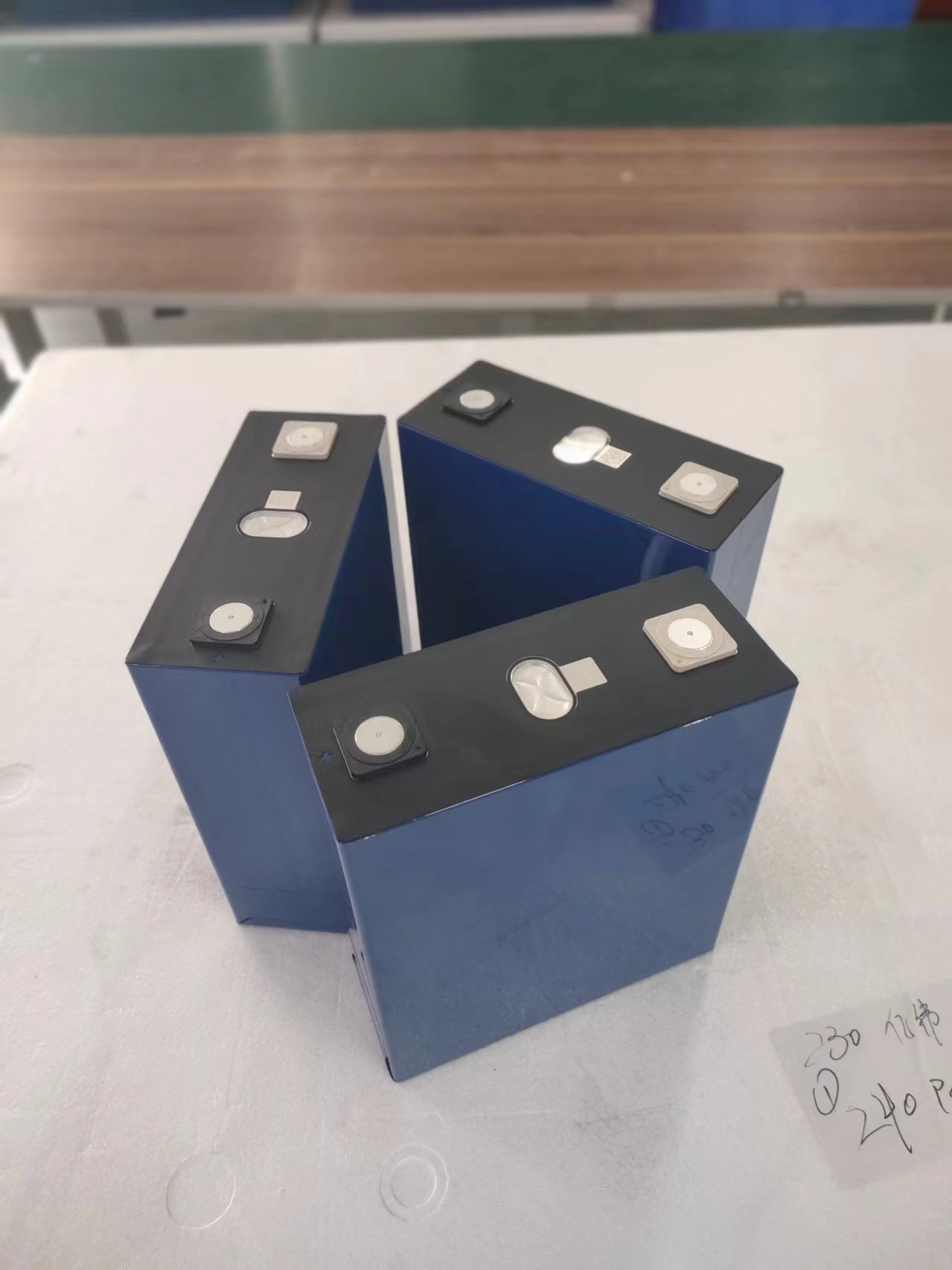
48V lithium battery: A 48V lithium battery usually consists of 15 3.2V lithium battery cells, which are connected in series to achieve the required voltage. 12V lithium battery: 12V batteries usually use lead-to-lithium batteries. These batteries are composed of four 3.2V battery cells to achieve 12.8v.
3.What are the differences in application fields?
48V lithium battery: (1)Electric vehicles: 48V lithium batteries are widely used in electric vehicles because of their high energy density and long life. (2)Industrial equipment: 48V lithium batteries are used to drive industrial robots, forklifts and other equipment. (3)Solar energy storage system: 48V lithium battery is used to store energy generated by solar power. 12V lithium battery: (1)Low Power Equipment: 12V battery systems are the standard power source for low power equipment, used to start engines and power vehicle electronics. (2)Home Electronics: 12V battery systems are used in UPS (Uninterruptible Power Supply) and other low power devices.
Summary
48V lithium batteries are suitable for high power applications, while 12V battery systems are suitable for low power applications. When selecting a battery, factors such as voltage, capacity, load requirements, application areas, quality and cost need to be considered.
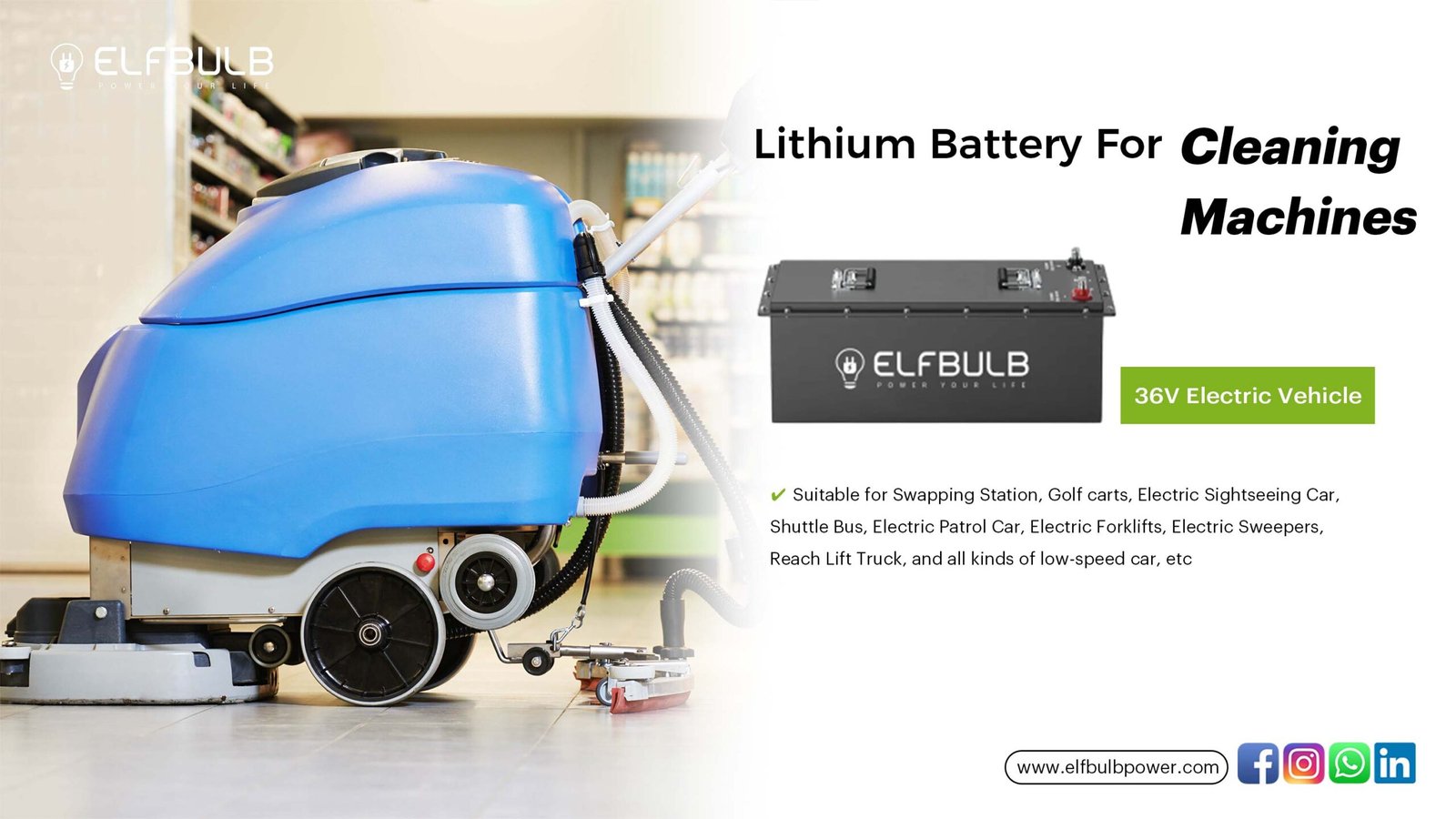
With the advancement of technology, robotic vacuum cleaners have become an indispensable part of our daily lives. Among them, the application of lithium batteries in cleaning machines is particularly important. This article will detail the application of lithium batteries in cleaning machines and how they have changed our lives.
Advantages of Lithium Batteries
Lithium batteries are a type of high energy density battery, with an energy density three times that of ordinary batteries. This means that lithium batteries can store more energy while being smaller in size. This makes lithium batteries an ideal choice for robotic vacuum cleaners, as they need to provide sufficient power within a compact body.
In addition, lithium batteries charge quickly and have a long lifespan, which is very important for robotic vacuum cleaners. Fast charging means that the robotic vacuum cleaner can resume work in a short time, and a long lifespan means that users do not need to replace the battery frequently.
Application of Lithium Batteries in Robotic Vacuum Cleaners
In cleaning machines, lithium batteries are mainly used to provide power. Robotic vacuum cleaners need to move on various surfaces, vacuum and sweep. This requires a lot of energy, and lithium batteries can provide such energy.
In addition, some high-end robotic vacuum cleaners are equipped with smart features, such as automatic cleaning route planning and obstacle avoidance. These features require more energy, and lithium batteries can meet these needs.
Conclusion
In summary, the application of lithium batteries in cleaning machines greatly improves the performance and convenience of the robotic vacuum cleaners. They provide powerful power, fast charging speed, and long service life. With the advancement of technology, we can expect that the application of lithium batteries in robotic vacuum cleaners will be more widespread and in-depth.
We hope this article can help you better understand the application of lithium batteries in cleaning machies. If you have any questions or want to know more information, please feel free to contact us. Thank you for reading!